
No overselling, no guesswork — just a Ac Repair crew that diagnoses it right the first time. Priority scheduling available across Austin and the surrounding zip codes.
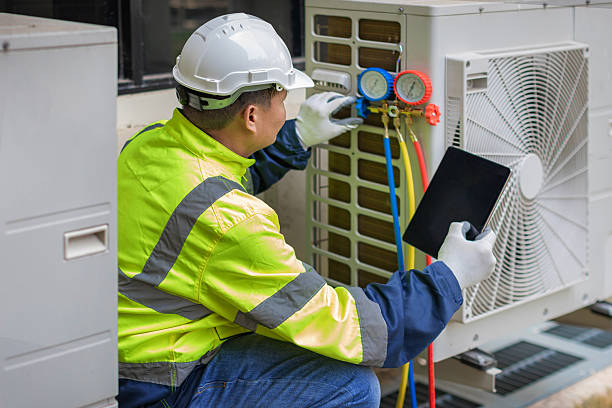
Call +1-866-805-8548 and describe what your system is doing — the symptoms help us send a tech prepared with the right parts.
You'll get a flat-rate quote before any repair work begins — no guessing what the final bill will look like.
Most repairs are completed same-visit, and we test the system before we leave to confirm it's actually holding.
Leonard HVAC didn't start as a franchise chasing volume. We invest in ongoing training so our techs recognize a failing capacitor, a cracked heat exchanger, or a refrigerant leak before it turns into an emergency.
We're not the biggest name in Austin — we're the company that tells you what actually needs fixing instead of what pads the ticket. We carry the credentials Austin inspectors and property managers expect to see, and we keep that documentation available on request for every job, residential or commercial.
Being local matters more than most companies let on. That local knowledge shapes how we diagnose problems — it's the difference between a tech who's guessing and a tech who's seen your exact situation a hundred times before.
Trust in this industry gets eroded fast, and it takes real consistency to earn it back. That's the gap we built Leonard HVAC to close. We track arrival windows, callback rates, and repeat-issue complaints internally so problems get caught before they become patterns, because a customer who trusts us once tends to call us again — and Austin is a small enough community that reputation travels fast.
Our office team is based locally too, not routed through an out-of-state call center that's never seen a Austin rooftop unit. Our warranty and service history records stay attached to your address, so any future technician who visits already has the full picture.
Every service below is backed by the same licensing, warranty, and upfront pricing you get on any job we run.
Breakdowns rarely happen at a convenient time, which is exactly why our emergency line runs 24 hours a day. Our Austin dispatch team prioritizes no-heat and no-cooling calls so a technician is diagnosing your system as fast as physically possible.
If a specialty part genuinely does need to be ordered, we'll set up a safe temporary fix and give you a real timeline instead of leaving you guessing.
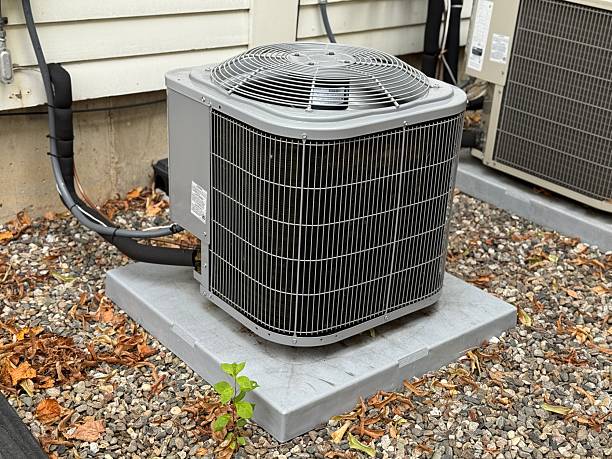
If your unit is past its expected service life, running loud, or spiking your utility bill, a replacement conversation is worth having. We walk Austin homeowners through load calculations so the new system is sized correctly for the actual square footage before a single piece of equipment gets ordered.
We protect floors and entryways during the install and haul away the old equipment so you're not left dealing with disposal.
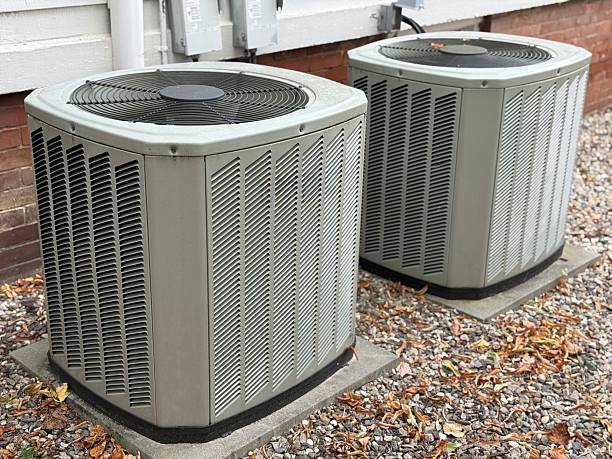
A retail floor, a restaurant kitchen, or an office suite can't run without stable climate control. Our commercial division services multi-zone commercial buildouts across Austin, with after-hours work to avoid disrupting business.
Our commercial techs are trained to work around your customers and staff, scheduling noisy or disruptive work outside peak hours whenever possible.
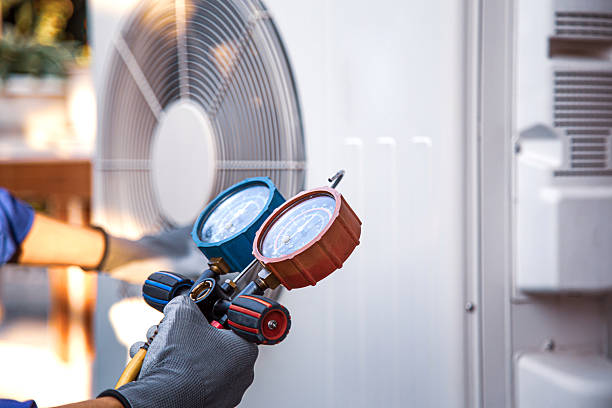
Preventive maintenance is the cheapest repair you'll ever pay for, because it's the one that prevents the bigger bill. Beyond standard tune-ups, we also handle duct cleaning and sealing to stop conditioned air from leaking into attics and crawlspaces for Austin households that want more than just temperature control.
We'll show you photos of anything concerning we find, along with a plain-language explanation of what it means and whether it's urgent.
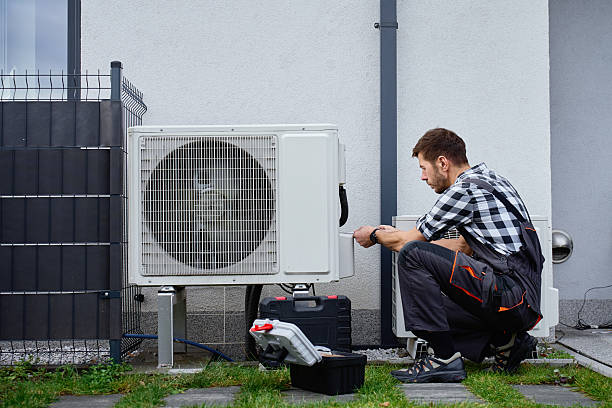
This is the standard every Austin technician on our team is held to.
If the same issue returns within the warranty period, we come back and fix it at no additional labor cost.
If a competitor's written quote for the same scope of work is genuinely lower, ask us about it.
A technician doesn't consider the job done until the system is tested and performing correctly.
Most breakdowns don't happen without warning — they announce themselves for weeks before the system actually quits.
Ignoring new noises is one of the fastest ways to turn a small repair into a major one.
If some rooms stay hot or cold no matter what the thermostat says, the system may be struggling to distribute air evenly.
A tune-up often identifies exactly what's driving the extra energy use.
A system that won't hold a steady cycle is often fighting a sizing issue, a thermostat problem, or a refrigerant imbalance.
Chemical odors may signal a refrigerant leak, which requires a licensed technician to handle safely.
Repeated repairs on an aging system are usually the clearest sign that replacement will save more money than another patch job.
You'll know the cost before a wrench touches your system.
Because our trucks are stationed near Austin, we're rarely far from your address.
We don't consider a job finished until the system is actually performing correctly.
We run background checks because you're letting someone into your home.
You make the final call — we just make sure you have the full picture.
Replacement systems don't have to be paid in one lump sum.
We don't write these — our customers do.
"I called three other companies first and this was the only one that actually picked up. The pricing was exactly what they quoted over the phone."
"Scheduled a fall tune-up and they caught a cracked part before it became a real problem. Techs are always polite, always on time, and clean up after themselves."
"Explained the sizing calculation so I understood why they weren't just installing the same unit again. Would recommend to anyone in Austin needing a real replacement, not a patch job."
"Commercial dispatch was quick and the tech understood our system without needing to be walked through it. Kept our kitchen running through the weekend rush."
"Got quotes from four different companies for a replacement and this was the only one that actually walked me through the load calculation. My energy bill dropped noticeably the first month with the new system."
"Called at 11pm during a heat wave and honestly didn't expect anyone to pick up, let alone show up. No overnight surcharge shock — the price matched what dispatch quoted me on the phone."
Understanding what typically fails helps homeowners know what to watch for and when a repair call is worth making before things get worse.
Austin's seasonal swings put real stress on a system that isn't maintained regularly. Before the coldest stretch of the year, a heating system benefits from a full safety inspection, checking the heat exchanger, ignition system, and airflow to catch any issue that could turn into a no-heat emergency.
Keeping vents unblocked by furniture and rugs helps maintain even airflow throughout the home. None of this replaces a professional tune-up, but it does reduce the wear that leads to premature breakdowns between visits.
We also service package units common on manufactured and modular homes throughout the Austin area. If your system was installed by a different company entirely, that's not a problem — we service equipment regardless of who originally put it in, and we'll pull the model and serial information to confirm parts compatibility before any repair begins.
Here's a look at the kind of experience that shows up at your door.
Over a decade in residential heating and cooling, with a focus on load calculations and full system replacements.
Keeps the emergency truck stocked based on what actually fails most often locally.
Experienced with the light industrial and retail equipment common across the area.
For emergency no-heat or no-cool calls, we prioritize dispatch and aim to have a technician on-site the same day, often within a couple of hours.
Yes — every job gets a clear quote before any repair work begins, so there are no surprise line items on the invoice.
Yes, no-heat and no-cool situations are treated as priority calls regardless of the hour.
Yes — licensing and insurance documentation is available on request for any job, residential or commercial.
Our technicians walk you through the actual numbers — repair cost versus remaining system life versus new equipment efficiency — before making a recommendation.
Yes, our maintenance plans include seasonal tune-ups, priority scheduling, and discounted repair rates for members.
Our dispatch area extends throughout the greater Austin region and nearby towns within Austin, KY.
Property managers and business owners can request a dedicated point of contact for ongoing service.
If parts require special ordering for a less common brand, we'll communicate that timeline upfront.
We understand a full system replacement is a significant expense, which is why flexible payment options exist.
Most Austin homes benefit from two tune-ups a year — one before cooling season and one before heating season.
If you smell gas or burning, shut off the system at the breaker and step outside, then call us immediately.
We'd rather quote it honestly on the phone than have you feel ambushed by the bill.
Straightforward fixes like a capacitor swap or a thermostat replacement are often finished in well under an hour.
For commercial accounts or rental properties, a designated point of contact or property manager can coordinate access instead.
Our technicians are familiar with both, which means less time spent figuring out your specific setup and more time actually fixing the problem.
Larger properties get the same upfront pricing and licensed technicians as a single-family service call, just coordinated at scale.
We accept standard payment methods for repairs and smaller jobs, and we'll always tell you upfront what a given service is likely to cost so there's no last-minute scramble to figure out payment. If a rebate or local incentive program applies to your Austin installation, our technicians will flag it during the estimate rather than leaving you to track it down after the fact.
If your address falls within Austin, KY and near Austin, there's a strong chance we already service your street.
If you're on the edge of our listed zip codes, it's still worth a call, since routes and coverage get adjusted as demand shifts.
